
Rush E Piano PDF: A Comprehensive Guide (Updated October 3, 2026)
Rush E piano sheet music, readily available as a PDF, empowers musicians of all levels to learn and perform this popular piece, offering digital access today!
What is “Rush E”? ⎼ Origins and Popularity
Rush E, composed by Andrew Wrangell and popularized through performances by Sheet Music Boss and Unseeable871, has quickly become a beloved piece within the piano community․ Originating as a digital composition, its accessibility and emotive melody resonated with musicians and listeners alike․
The piece gained significant traction through online music sharing platforms like Pianotify and Flat․io, where free and paid sheet music arrangements proliferated․ This widespread availability fueled its popularity, attracting both beginner and intermediate pianists eager to tackle its relatively straightforward, yet captivating, structure․
Today, Rush E stands as a testament to the power of online music communities, demonstrating how a single composition can achieve widespread recognition through collaborative sharing and performance․
The Composer: Sheet Music Boss and Unseeable871
Sheet Music Boss, renowned for arranging and performing popular pieces, played a pivotal role in popularizing Rush E through engaging piano tutorials and readily available sheet music․ His arrangements often cater to a wide range of skill levels, making complex pieces accessible to aspiring musicians․
Unseeable871, another key figure, contributed significantly by creating and sharing digital notation files of Rush E, specifically for piano and keyboard․ This digital format allowed for easy transposition and customization, further expanding the piece’s reach․
Both creators fostered a vibrant online community around Rush E, encouraging collaboration and performance, solidifying its place in contemporary piano repertoire․
Availability of Rush E Sheet Music
Rush E sheet music is remarkably accessible online, catering to diverse musical preferences and learning styles․ Pianotify stands out as a primary source, offering free, high-quality PDF versions of the sheet music, readily available for download and immediate use․
Flat․io, a platform for online music sharing, also hosts numerous arrangements of Rush E, fostering a collaborative environment where musicians can share and adapt the piece․ This allows for variations and personalized interpretations․
Options range from free sheet music, ideal for beginners, to paid versions offering enhanced clarity and additional arrangements․ Over a million digital music sheets are available!
Understanding the Rush E Piano Sheet Music
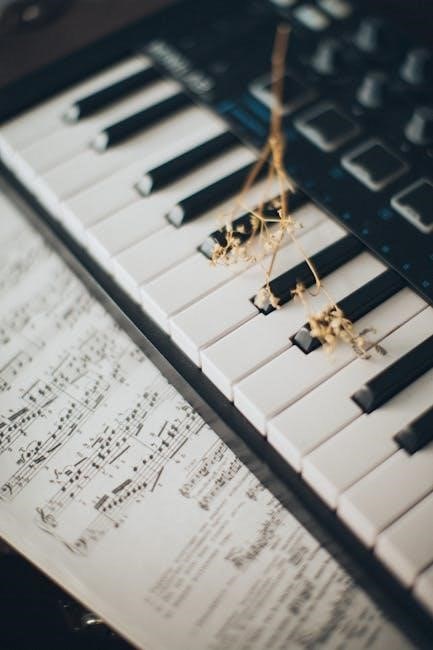
Rush E’s sheet music is typically in PDF format, spanning 13 pages, and utilizes standard musical notation for pitch, duration, and sections for easy learning․
Sheet Music Formats: PDF and Digital Notation
Rush E piano sheet music is predominantly distributed as a PDF document, ensuring broad accessibility across various devices and operating systems․ This format preserves the original formatting and musical notation accurately․ However, a growing trend involves digital notation files, specifically through platforms like Flat․io․
These digital formats offer interactive features, such as playback, transposition, and annotation capabilities, enhancing the learning experience․ The PDF version remains popular for its simplicity and printability, while digital notation caters to those seeking a more dynamic and customizable approach․ Both formats faithfully represent the composer’s intent, allowing pianists to accurately interpret and perform Rush E․ Digital versions often allow for easy key changes, beneficial for different skill levels․
Key Signatures and Transposition (C Major)
The original Rush E piano sheet music is primarily composed in C Major, a key known for its simplicity – lacking sharps or flats – making it accessible for beginner to intermediate players․ However, the beauty of digital sheet music formats lies in the ease of transposition․
Players can readily adjust the key to suit their vocal range or instrumental preferences․ While C Major is the standard, utilizing transposition features on platforms like Flat․io allows for effortless adaptation․ This flexibility is particularly helpful for collaborative performances or accommodating different skill levels․ Understanding the original key provides a solid foundation, but the ability to transpose unlocks further creative possibilities when performing Rush E․
Tempo and Time Signature (110 BPM, 4/4)
Rush E is generally performed at a tempo of 110 beats per minute (BPM), creating a balanced and engaging feel․ This moderate pace allows pianists to comfortably execute the piece’s melodic and harmonic elements without feeling rushed․ The time signature is consistently 4/4, meaning there are four beats in each measure, with a quarter note receiving one beat․
This common time signature contributes to the piece’s accessibility and predictability․ When utilizing the PDF sheet music, paying close attention to these markings is crucial for accurate interpretation․ Metronome practice at 110 BPM will solidify timing, while understanding 4/4 ensures rhythmic precision during performance of Rush E․
Page Count and Section Breakdown (13 Pages)
The Rush E piano sheet music typically spans 13 pages, providing a comprehensive layout for the entire composition․ These pages are logically divided into sections, clearly labeled from 1 through 13, facilitating easier navigation during practice and performance․ Each section presents a distinct musical phrase or thematic development within the piece․
This structured format allows pianists to focus on smaller, manageable segments, improving learning efficiency․ The PDF’s page count reflects the piece’s complexity and detail․ Musicians can utilize this breakdown to isolate challenging passages or to analyze the overall structure of Rush E, enhancing their understanding and interpretation․

Downloading and Accessing Rush E Piano PDFs
Rush E piano PDFs are easily accessible through platforms like Pianotify and Flat․io, offering both free and paid options for musicians today․
Pianotify as a Source
Pianotify emerges as a prominent online resource for acquiring Rush E sheet music in PDF format․ The platform boasts a high-quality, free PDF download of the piece, composed by Sheet Music Boss․ This accessibility makes it a favored choice among pianists seeking to learn and perform this captivating composition․
Users benefit from Pianotify’s user-friendly interface and straightforward download process․ The availability of Rush E on Pianotify contributes to its widespread popularity within the music community․ It’s a valuable tool for both beginners and experienced players looking for convenient access to sheet music․ The platform’s dedication to providing free, high-quality resources solidifies its position as a go-to destination for piano enthusiasts․
Flat․io and Online Music Sharing
Flat․io serves as a dynamic platform for music notation creation and sharing, offering access to Rush E sheet music․ Created and shared online, the piece by Unseeable871 is available as a digital notation file specifically for piano/keyboard․ This allows for easy transposition to C Major, catering to various player preferences and skill levels․
The platform’s collaborative nature fosters a community where musicians can discover, adapt, and share arrangements․ Rush E’s presence on Flat․io exemplifies the benefits of online music sharing, providing a readily accessible resource for learning and performance․ Users can leverage Flat․io’s features to view, edit, and even create their own versions of the sheet music․
Free vs․ Paid Sheet Music Options
When seeking Rush E piano sheet music, players encounter both free and paid options․ Platforms like Pianotify offer free, high-quality PDF versions, making the piece accessible to a wider audience․ However, these free versions may have limitations in terms of arrangement quality or included features․
Paid options, often found on dedicated sheet music websites, typically provide more polished arrangements, potentially including additional sections or variations․ These paid versions often support the composers, Sheet Music Boss and Unseeable871, directly․ The choice depends on individual needs and budget; beginners might start with free options, while experienced pianists may prefer the enhanced quality of paid arrangements․
Playing Rush E on the Piano: Skill Level and Techniques
Rush E is generally considered beginner to intermediate level, focusing on reading notation, mastering pitch and duration, and navigating Dm/F and E7 chords․
Skill Level: Beginner to Intermediate
Rush E presents an accessible entry point for pianists developing their skills, generally categorized as beginner to intermediate; While not overtly complex, successful performance requires a foundational understanding of music theory and piano technique․
New players will benefit from focusing on accurate note reading and rhythmic precision at the stated 110 BPM tempo․ The piece’s structure, spanning 13 pages, allows for gradual learning and section-by-section mastery․
Intermediate players can explore dynamic expression and nuanced phrasing within the composition․ The chord progressions, including Dm/F and E7, offer opportunities to practice voicing and harmonic awareness․ Overall, Rush E provides a rewarding challenge for players seeking to expand their repertoire and refine their abilities․
Reading the Musical Notation: Pitch and Duration
The Rush E piano sheet music utilizes standard musical notation, representing pitch through numerical values on the staff․ Understanding these values – corresponding to specific keys on the piano – is crucial for accurate playing․ Duration, indicated by note shapes and symbols, dictates how long each note is held, establishing the rhythm․
Players should familiarize themselves with time signatures (4/4 in this case) to correctly interpret rhythmic groupings․ The PDF format allows for close examination of these details․ Careful attention to rests – silences in the music – is equally important for maintaining the piece’s flow․
Mastering pitch and duration is fundamental to accurately reproducing Rush E, enabling a clear and expressive performance of this popular piano arrangement․
Chord Progressions: Dm/F and E7
The harmonic foundation of Rush E prominently features the chord progressions of Dm/F and E7, creating its distinctive emotional character․ Dm/F, a D minor chord with an F in the bass, provides a melancholic yet grounding element․ The E7 chord, a dominant seventh, introduces tension and anticipates resolution․
These chords are frequently repeated and interwoven throughout the piece, forming the core of its musical structure․ Recognizing these patterns within the sheet music PDF simplifies learning and memorization․ Players should practice smooth transitions between Dm/F and E7 to achieve a polished sound․
Understanding these key chord changes is vital for a compelling interpretation of Rush E on the piano․

Printing and Utilizing the PDF Sheet Music
Rush E’s PDF sheet music benefits from optimized printer settings and compatible PDF viewing software for clear notation and effective practice sessions․
Printer Settings for Optimal Results
To ensure a high-quality print of your Rush E piano sheet music PDF, several printer settings are crucial․ Select “Fit to Page” to avoid any cropping of the musical notation, especially important given the 13-page document․
Opt for a standard paper size – 8․5 x 11 inches – and a resolution of at least 300 DPI for clear, legible notes․ When choosing print quality, select “Normal” or “High” to accurately represent the details of the sheet music․
Avoid grayscale printing if possible; color enhances readability․ Finally, preview the print before finalizing to confirm proper scaling and layout, guaranteeing a seamless practice experience with this popular piece․
Software for Viewing and Editing PDFs
Several software options facilitate viewing and potentially editing your Rush E piano sheet music PDF․ Adobe Acrobat Reader is a widely used, free option for basic viewing and printing․ For more advanced features, consider Adobe Acrobat Pro, enabling annotations and minor edits․
Alternatively, PDFelement and Foxit Reader offer robust viewing and editing capabilities․ These programs allow you to highlight sections, add notes regarding fingering, or even transpose the key, though extensive alterations might require dedicated music notation software․
Flat․io, where Rush E is shared, also functions as a PDF viewer․ Choosing the right software ensures optimal interaction with the 13-page document․
Practicing with the Sheet Music: Tips and Exercises
When practicing Rush E from the PDF, begin slowly, focusing on accurate note reading and rhythm – the piece is in 4/4 time at 110 BPM․ Isolate challenging sections, like the transitions between Dm/F and E7 chords, and practice them repeatedly․
Utilize a metronome to maintain consistent tempo․ Finger each section meticulously, paying attention to dynamics and phrasing․ Break down the 13-page score into smaller, manageable chunks․
Consider practicing hands separately before combining them․ Regularly review previously learned sections to reinforce muscle memory․ Consistent, focused practice will unlock the beauty of this arrangement!

Copyright and Usage Rights
Rush E sheet music usage requires respecting creator rights; proper attribution to Sheet Music Boss and Unseeable871 is essential when sharing or performing․
Understanding Sheet Music Licensing

Navigating sheet music licensing for Rush E, like any musical work, involves understanding copyright laws protecting the composers, Sheet Music Boss and Unseeable871․ Downloading a Rush E piano PDF doesn’t grant unlimited usage rights․ Typically, licenses dictate whether the music can be copied, distributed, performed publicly, or adapted into new arrangements․
Many free PDF sources, like Pianotify and Flat․io, operate under specific terms of use, often permitting personal, non-commercial use․ However, performing Rush E in a public setting – a concert, recital, or even a streamed performance – may require a performance license․ Similarly, creating derivative works, such as a new arrangement for a different instrument, necessitates securing appropriate permissions․
Always review the licensing terms associated with the specific Rush E PDF you obtain to ensure compliance and respect the intellectual property of the creators․ Ignoring these rights can lead to legal repercussions․
Attribution and Respecting Creators
When utilizing Rush E piano sheet music PDFs created by Sheet Music Boss and Unseeable871, proper attribution is crucial․ Acknowledging the composers demonstrates respect for their artistry and encourages continued creation within the online music community․ Simply stating “Rush E by Sheet Music Boss/Unseeable871” in performance programs or accompanying online content is a good starting point․
Even when using freely available PDFs from platforms like Pianotify or Flat․io, remember these resources rely on creators willingly sharing their work․ Supporting these artists, whether through direct purchases when available or by promoting their other compositions, fosters a healthy ecosystem․
Avoid altering or misrepresenting the sheet music without permission, and refrain from claiming authorship of their work․ Ethical music sharing builds trust and ensures continued access to quality arrangements like the Rush E piano PDF․

Alternative Versions and Arrangements
Rush E piano sheet music extends beyond solo piano; arrangements exist for guitar, flute, and other instruments, broadening accessibility and creative interpretation․
Guitar, Flute, and Other Instrument Arrangements
The appeal of Rush E transcends the piano, inspiring arrangements for a diverse range of instruments․ Guitarists can find tablature and sheet music adaptations, allowing them to tackle the melody and chord progressions on six strings․ Flute players benefit from transposed sheet music, enabling a lyrical interpretation of the piece․
Beyond these, arrangements for ukulele, violin, and even ensemble settings are emerging within online music communities․ These adaptations often simplify or modify the original piano part to suit the instrument’s capabilities․ Platforms like Flat․io facilitate the sharing of these user-created arrangements, fostering a collaborative environment․
The availability of these alternative versions demonstrates the widespread popularity of Rush E and its adaptability to various musical styles and skill levels, enriching the musical experience for a broader audience․