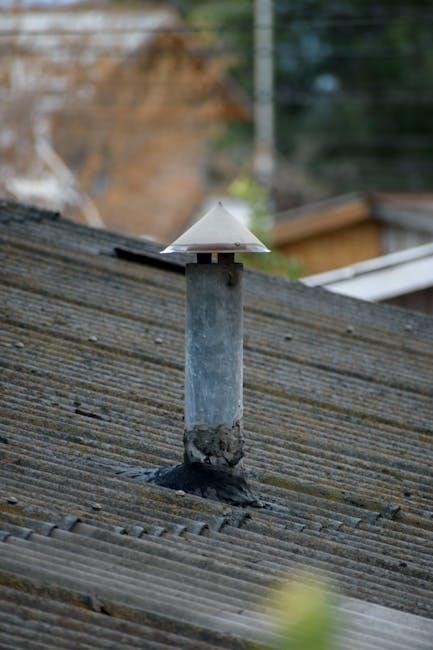
Metal roofing offers lasting benefits, becoming a popular choice for homes and buildings. This guide details the process, from planning to completion, ensuring a successful installation.
Benefits of Metal Roofing
Metal roofing presents a compelling array of advantages over traditional materials. Durability is paramount; metal roofs withstand harsh weather – wind, rain, hail, and intense sun – for decades, often lasting 50 years or more. This longevity translates to long-term cost savings, reducing the frequency of replacements.
Energy efficiency is another key benefit. Metal roofs reflect solar radiant heat, lowering cooling costs in warmer climates. They are also 100% recyclable, contributing to sustainable building practices. Furthermore, metal roofing enhances a property’s aesthetic appeal with its modern and versatile styles, increasing its overall value.
Types of Metal Roofing Materials
Galvanized steel is a common, budget-friendly option, often used for warehouses and agricultural buildings, offering good protection against corrosion. Aluminum is lightweight, rust-proof, and ideal for coastal areas, though generally more expensive than steel.
Standing seam metal provides a sleek, modern look with concealed fasteners, minimizing leaks. Corrugated metal offers a classic, ribbed appearance and is relatively easy to install. Metal shingles mimic traditional asphalt shingles, providing a familiar aesthetic with metal’s durability. Material choice depends on budget, climate, and desired style.
Planning Your Metal Roof Installation
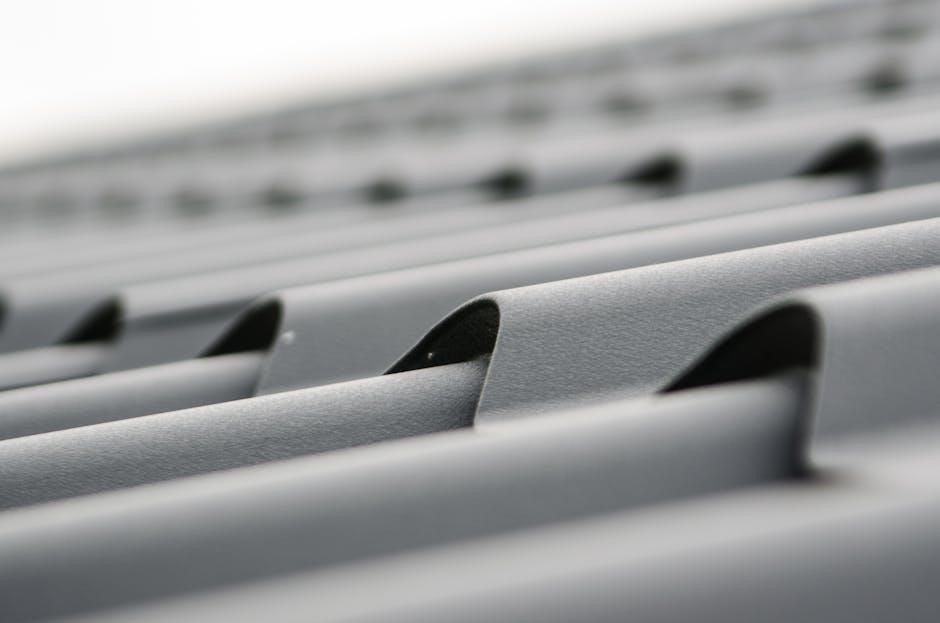
Careful planning is essential for a successful metal roof project, encompassing permits, material calculations, and tool selection for optimal results and longevity.
Local Building Codes and Permits
Before commencing any metal roofing installation, thoroughly investigate local building codes and permit requirements. These regulations vary significantly by location and dictate acceptable materials, installation methods, and safety standards. Failing to comply can result in costly fines and project delays.
Contact your local building department to obtain a comprehensive list of necessary permits. Common requirements include structural permits, electrical permits (for grounding), and potentially permits related to roofing materials themselves. Ensure your chosen metal roofing system meets all specified wind load, fire resistance, and energy efficiency criteria.
Proper documentation, including detailed plans and material specifications, is crucial for a smooth permit approval process. Adhering to these regulations guarantees a safe, compliant, and long-lasting metal roof installation.
Calculating Material Quantities
Accurate material estimation is vital for a cost-effective metal roofing project. Begin by precisely measuring your roof’s surface area, accounting for all slopes, gables, and dormers. Add a waste factor – typically 10-15% – to compensate for cuts, overlaps, and potential errors.
Determine the coverage area per panel or shingle, provided by the manufacturer. Calculate the number of panels or shingles needed based on your roof area and coverage rates. Don’t forget essential components like underlayment, flashing, fasteners, and ridge caps.
Utilize online calculators or consult with a supplier for precise estimations. Overestimating is preferable to underestimating, preventing mid-project delays due to material shortages.
Choosing the Right Tools
Proper tools are crucial for a safe and efficient metal roof installation. A metal-cutting shear or snips are essential for precise panel cuts. A pneumatic roofing nailer, specifically designed for metal roofing, speeds up fastener application. Invest in a quality drill and screw gun with appropriate bits.
Safety equipment is paramount: wear a safety harness, gloves, and eye protection. A chalk line and measuring tape ensure accurate layout. Consider a seam roller for standing seam roofs and specialized flashing tools. Having the correct tools minimizes errors and ensures a professional finish.
Preparing for Installation
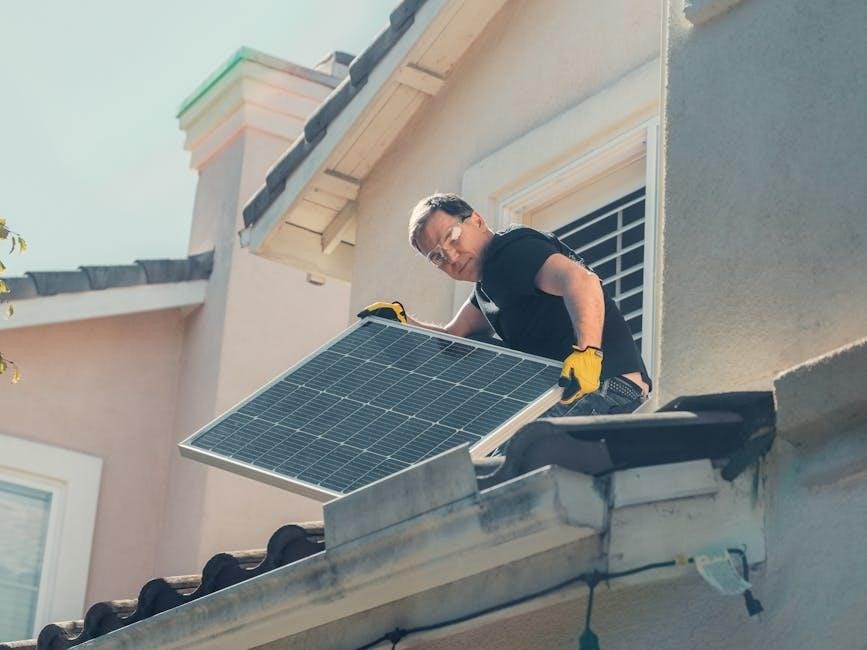
Thorough preparation is key; inspect the roof deck, install underlayment for protection, and ensure adequate ventilation for optimal performance and longevity.
Roof Deck Inspection and Repair
Before installing a metal roof, a meticulous inspection of the existing roof deck is paramount. Look for signs of water damage, rot, or structural weakness. Any compromised areas must be repaired or replaced to provide a solid foundation for the new metal roofing system.
This often involves replacing damaged plywood or OSB sheathing. Ensure the deck is securely fastened and level. Addressing these issues upfront prevents future problems like panel distortion or fastener failure. A sound deck extends the lifespan and performance of your metal roof, guaranteeing a durable and weather-resistant barrier for years to come.
Underlayment Installation
Proper underlayment installation is crucial for protecting the roof deck from moisture and providing an additional layer of defense against the elements. A high-quality, synthetic underlayment is recommended for metal roofing applications, offering superior water resistance and durability compared to traditional felt paper.
Overlap seams according to the manufacturer’s instructions, ensuring a watertight seal. Secure the underlayment with appropriate fasteners. This creates a critical barrier against leaks, especially during heavy rainfall or snowmelt, safeguarding the structural integrity of your roof and extending its lifespan.
Ventilation Considerations
Adequate roof ventilation is paramount when installing a metal roof, preventing moisture buildup and regulating temperature. Proper airflow minimizes condensation, which can lead to mold growth and structural damage. Intake vents, typically located at the eaves, and exhaust vents at the ridge work together to create a natural convection current.
Ensure ventilation meets local building codes and manufacturer recommendations. Insufficient ventilation can void warranties and compromise the roof’s longevity. Consider a balanced ventilation system for optimal performance and energy efficiency, contributing to a comfortable and durable living space.
Metal Roofing Installation Process
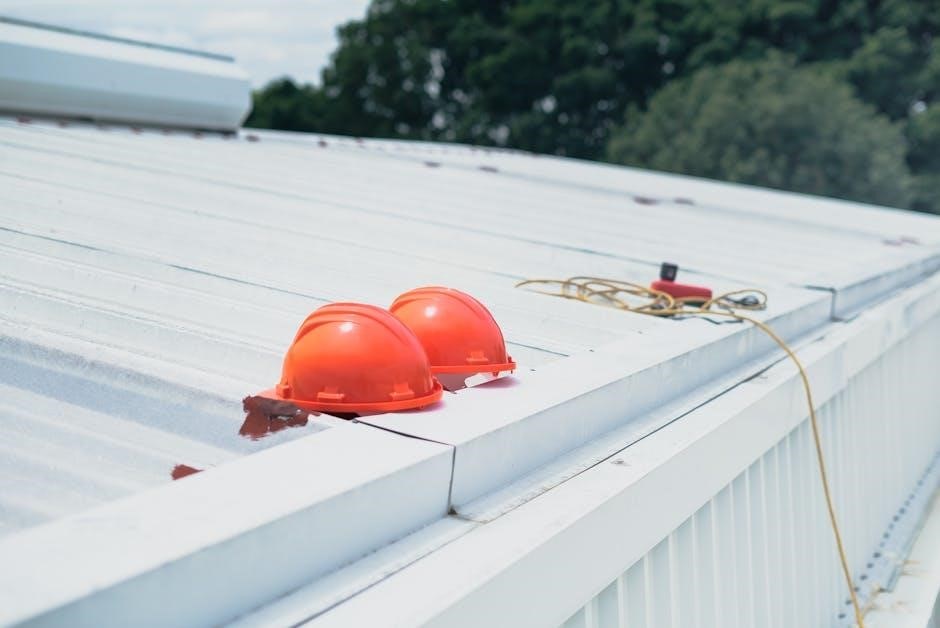
Installation involves precise panel alignment, secure fastening, and meticulous flashing around roof penetrations, ensuring a watertight and durable metal roofing system.
Panel Installation Techniques
Proper panel installation is crucial for a weather-tight and aesthetically pleasing metal roof. Begin by establishing a straight starting point, utilizing a chalk line for accuracy. Overlap panels according to manufacturer specifications, ensuring consistent exposure.
Employ appropriate fasteners – often concealed – to avoid puncturing the metal excessively. Consider thermal expansion and contraction; panels should be installed with slight movement allowance.
For standing seam roofs, a specialized crimping tool creates the interlocking seams. With corrugated or other profiled panels, ensure proper alignment and secure fastening to the roof deck. Careful handling prevents damage to the protective coatings.
Fastener Selection and Application
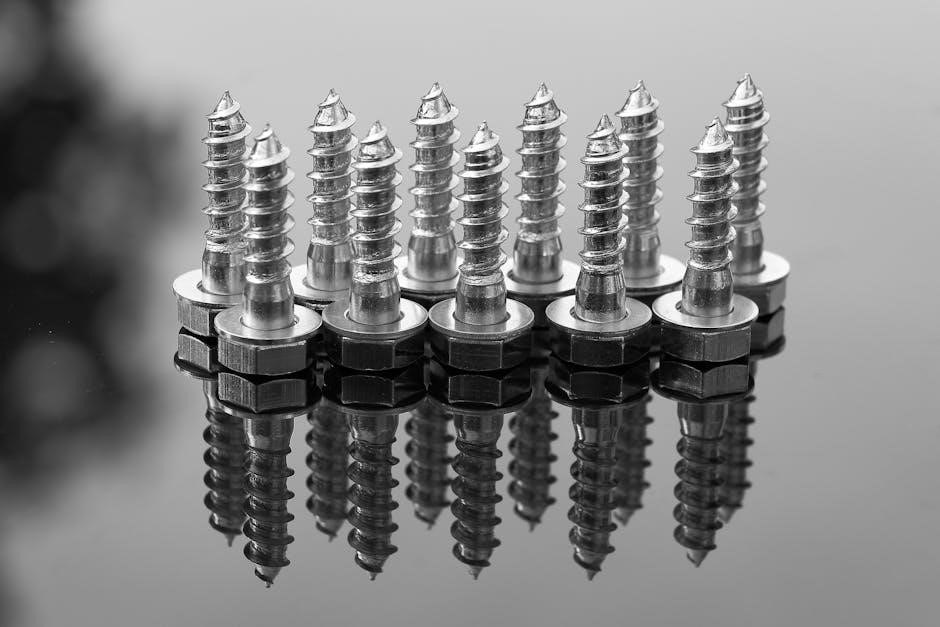
Choosing the right fasteners is paramount for a durable metal roof. Use fasteners specifically designed for metal roofing, considering material compatibility to prevent corrosion. Options include screws with rubber washers, concealed fasteners, and rivets.
Fastener length must penetrate the roof deck sufficiently, but avoid over-penetration. Apply fasteners in a consistent pattern, following manufacturer guidelines for spacing.
Ensure fasteners are driven straight and to the correct depth – avoid stripping the screw head or damaging the metal panel. Pre-drilling may be necessary for harder materials. Proper sealing around fasteners prevents water intrusion and maintains the roof’s integrity.
Flashing Installation – Chimneys, Vents, and Walls
Flashing is critical for preventing leaks around roof penetrations like chimneys, vents, and walls. Use compatible metal flashing materials – aluminum, copper, or galvanized steel – to avoid corrosion. Properly overlap flashing pieces, ensuring a watertight seal.
Base flashing integrates with the roof, while cap flashing covers the top. Seal all flashing seams with a high-quality sealant. Pay close attention to detail around complex shapes and angles.
Step flashing is often used along walls, creating a layered barrier against water. Correct flashing installation is essential for long-term roof performance and preventing costly water damage.
Specific Metal Roofing Profiles
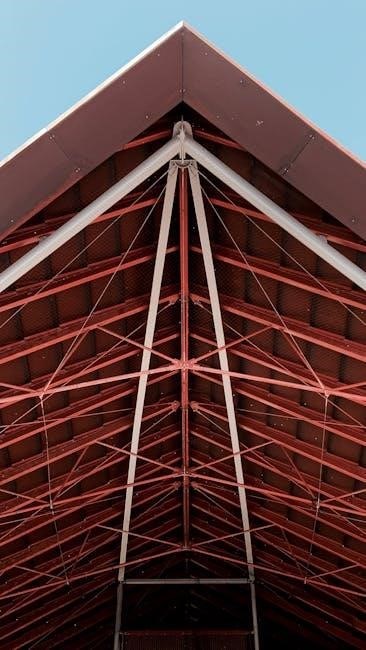
Various metal roofing profiles exist, each with unique installation requirements. Standing seam, corrugated, and shingle styles offer diverse aesthetics and performance characteristics.
Standing Seam Metal Roofing Installation
Standing seam metal roofs are known for their clean lines and durability. Installation begins with a solid deck and proper underlayment. Panels interlock via raised seams, concealing fasteners for a weather-tight seal. Careful panel alignment is crucial, often utilizing clips attached to the roof deck.
Expansion and contraction must be accommodated during installation to prevent buckling or oil-canning. Specialized tools are often required for seaming the panels correctly. Flashing around penetrations, like chimneys and vents, demands precise detailing to prevent leaks. Proper seam height and consistent fastener spacing are vital for long-term performance and warranty compliance.
Corrugated Metal Roofing Installation
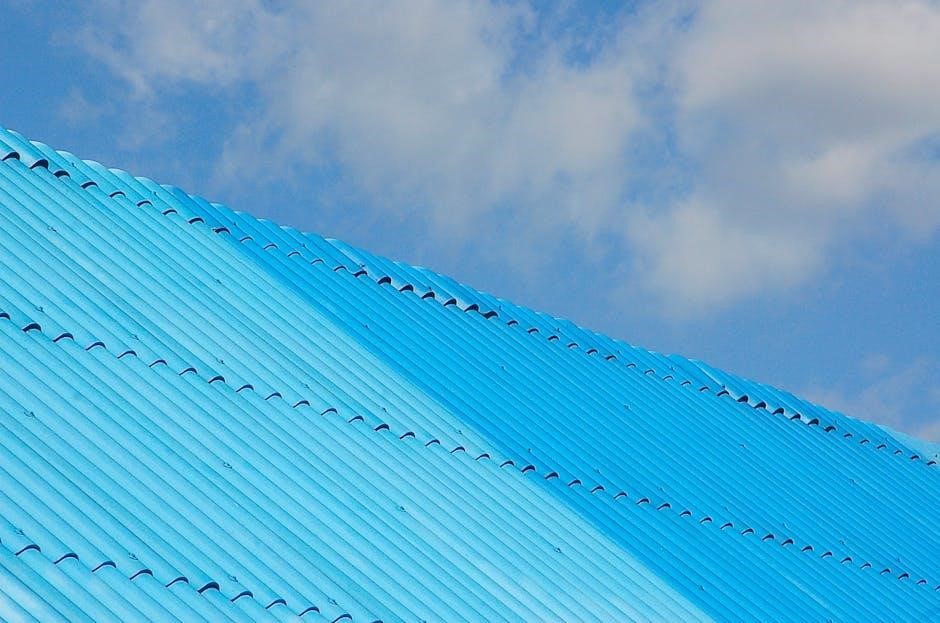
Corrugated metal roofing offers a cost-effective and classic aesthetic. Installation typically involves overlapping the corrugated sheets, secured directly to the roof deck with specialized fasteners featuring neoprene washers. Proper overlap is essential to prevent water intrusion, generally one full corrugation.
Consideration must be given to the direction of the corrugations relative to prevailing winds. Pre-drilling holes can prevent buckling, especially with thinner gauge materials. Flashing details around roof penetrations and edges are critical for a watertight installation. Ensure fasteners are driven straight and to the correct depth to avoid damaging the metal.
Metal Shingle Roofing Installation
Metal shingle roofing provides the aesthetic appeal of traditional shingles with the durability of metal. Installation requires a precise layout, starting from the eave and working upwards, overlapping each shingle according to the manufacturer’s specifications. Specialized underlayment is crucial for noise reduction and preventing oil canning.
Fasteners are typically concealed, creating a clean look, and are often applied with specific tools to ensure proper seating without damaging the shingle’s finish. Proper flashing around chimneys, vents, and valleys is vital for weatherproofing. Careful attention to detail is key for a long-lasting, beautiful roof.
Dealing with Common Challenges
Installation can present hurdles like roof pitch, existing damage, and weather. Careful planning, skilled execution, and adaptable solutions are essential for success.
Working with Roof Pitch
Roof pitch significantly impacts metal roofing installation, influencing material selection and techniques. Steeper slopes generally require more robust fastening systems and potentially different panel types to prevent slippage and ensure weather tightness. Lower-pitched roofs demand meticulous attention to water runoff and proper underlayment application to avoid pooling and leaks.
Understanding the roof’s angle is crucial for calculating material quantities accurately, minimizing waste, and ensuring a secure, long-lasting installation. Specialized tools and techniques may be necessary for navigating challenging pitches, prioritizing safety and precision throughout the process. Always consult manufacturer guidelines for pitch-specific recommendations.
Addressing Existing Roof Issues
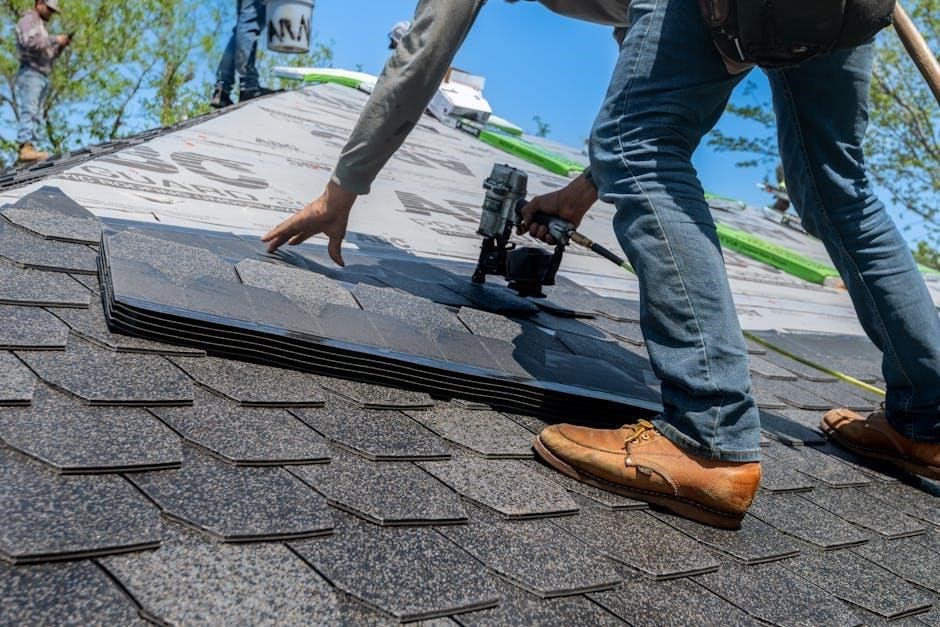
Prior to metal roof installation, a thorough inspection of the existing roof deck is paramount. Rot, water damage, or structural weaknesses must be addressed before proceeding. Repairing or replacing damaged sheathing ensures a solid foundation for the new metal roofing system, preventing future problems.
Ignoring underlying issues can compromise the integrity of the entire installation. Correcting these problems might involve reinforcing rafters, replacing plywood, or addressing any existing leaks. A stable, sound roof deck is essential for a durable and long-lasting metal roof.
Weather Considerations During Installation
Metal roof installation is significantly impacted by weather conditions. Avoid installation during high winds, heavy rain, or extreme temperatures. Wet surfaces can create safety hazards and compromise the adhesion of underlayment and sealants.
Cold temperatures can make metal panels brittle, increasing the risk of damage during handling. Conversely, excessive heat can cause expansion issues. Monitoring the forecast and scheduling installation during favorable weather windows is crucial for a secure and properly fitted roof. Postponement is often the safest course of action.
Finishing Touches and Maintenance
Properly installed ridge caps and integrated gutter systems ensure optimal water management and longevity for your new metal roof investment.
Ridge Cap Installation
Ridge cap installation is a crucial final step, protecting the roof’s peak from weather elements and ensuring a watertight seal. Specialized ridge cap panels, often formed to match the roofing profile, are carefully overlapped and secured with appropriate fasteners. Proper alignment is essential for both aesthetics and performance.
Manufacturers’ instructions should always be followed precisely regarding fastener spacing and techniques. Sealing along the ridge cap seams with a high-quality sealant further enhances weather resistance. A correctly installed ridge cap not only prevents leaks but also contributes significantly to the overall durability and longevity of the metal roofing system, completing the project with a professional finish.
Gutter and Downspout Integration
Effective water management is vital, and proper gutter and downspout integration with a metal roof is paramount. Gutters should be securely fastened to the fascia board, ensuring they can handle substantial water flow. Downspouts must be positioned to direct water away from the foundation, preventing potential damage.
Using compatible gutter materials, like aluminum or steel, avoids corrosion issues. Consider gutter guards to minimize debris buildup and maintain optimal performance. Careful planning during installation ensures seamless integration, maximizing the roof’s ability to protect the structure from water damage and contributing to its long-term health.
Long-Term Maintenance and Care
Metal roofs are remarkably durable, but require periodic maintenance for optimal longevity. Annual inspections are crucial, checking for loose fasteners, damaged panels, or compromised flashing. Clean gutters regularly to prevent water backup and potential leaks. Addressing minor issues promptly prevents costly repairs down the line.
While metal is resistant to corrosion, scratches or chips should be touched up with appropriate coatings to maintain protection. Avoid abrasive cleaners and harsh chemicals. With minimal upkeep, a metal roof can provide decades of reliable performance, safeguarding your property and enhancing its value.
Safety Precautions During Installation
Prioritize safety with fall protection, proper tool handling, and awareness of roof pitch. Secure harnesses and stable ladders are essential for a safe installation.
Fall Protection Measures
Protecting installers from falls is paramount during metal roofing projects. Employ a comprehensive fall protection system, including properly anchored lifelines and safety harnesses. Ensure all personnel are thoroughly trained in their correct usage and inspection. Roof brackets and scaffolding offer additional stability, particularly on steeper slopes.
Regularly inspect all safety equipment for wear and tear, replacing damaged components immediately. Maintain a clear work zone, free of obstructions that could create tripping hazards. Never work alone, and establish clear communication protocols. Adhering to OSHA guidelines and local regulations is crucial for a safe working environment, minimizing the risk of serious injury.
Proper Tool Handling
Safe and efficient metal roofing installation relies heavily on correct tool handling. Always inspect tools before use, ensuring they are in good working order and properly maintained. Utilize appropriate personal protective equipment (PPE), including safety glasses, gloves, and hearing protection.
Power tools require specific training and adherence to manufacturer’s instructions. Never modify tools or bypass safety features. Store tools securely when not in use, preventing accidental damage or injury. Understand the limitations of each tool and use it only for its intended purpose, promoting a secure and productive work environment;
Resources and Further Information
Explore manufacturer websites like Fabral for detailed specifications and qualified installer networks, aiding your metal roofing project’s success.
Metal Roofing Manufacturers and Suppliers
Selecting a reputable supplier is crucial for a successful metal roofing installation. Fabral stands out as a leader in metal cladding, offering solutions for residential, commercial, and agricultural needs. Beyond Fabral, numerous manufacturers provide diverse metal roofing options, including standing seam, corrugated, and shingle styles.
Researching suppliers involves evaluating product quality, warranty options, and customer support. Consider local suppliers for faster delivery and potential cost savings. Online directories and industry associations can also connect you with trusted manufacturers and distributors. Prioritize suppliers offering comprehensive technical documentation and installation guidance, potentially including a detailed metal roofing installation guide PDF.
Finding Qualified Installers
Professional installation is paramount for maximizing the lifespan and performance of your metal roof. Seek installers with proven experience specifically in metal roofing, as techniques differ from traditional asphalt shingles. Check for proper licensing, insurance, and certifications from industry organizations.
Gathering quotes from multiple contractors allows for comparison of pricing and services. Request references and review their previous work. A qualified installer should be knowledgeable about local building codes and offer a detailed contract outlining the scope of work. Some may even provide a metal roofing installation guide PDF as part of their service, demonstrating expertise.