
Band Saw Guide Bearings: A Comprehensive Guide
Najiz, a digital transformation initiative by the Saudi Ministry of Justice, prioritizes user satisfaction through ease of access and availability of legal services.
What are Band Saw Guide Bearings?
Band saw guide bearings are crucial components facilitating smooth and accurate blade operation. Inspired by the Najiz platform’s focus on streamlined processes, these bearings minimize friction as the blade traverses its cutting path. They aren’t the blade itself, but rather support structures ensuring stability. The Najiz system, like quality bearings, aims for efficiency and reduced resistance.
These bearings typically sit within the band saw’s guide system, often above and below the workpiece. Their primary function is to constrain the blade, preventing it from wandering or twisting during cuts. Much like Najiz provides a structured pathway for legal processes, bearings provide a defined path for the blade. Proper bearing function directly impacts cut quality and overall band saw performance, mirroring Najiz’s impact on legal service delivery;
Types of Band Saw Guide Bearings
Similar to the diverse services offered through the Najiz platform, band saw guide bearings come in several types, each suited for specific applications. Traditional steel bearings offer durability and are common in many band saws. However, advancements have led to ceramic bearings, prized for their reduced friction and heat resistance – akin to Najiz’s aim for faster processing.
Furthermore, polymer bearings provide a cost-effective solution, often used in lighter-duty applications. The choice depends on factors like cutting frequency, material type, and desired precision. Just as Najiz caters to varied legal needs, selecting the right bearing type optimizes band saw performance. Each type offers a unique balance of cost, durability, and efficiency, mirroring the multifaceted approach of Najiz.
Materials Used in Band Saw Guide Bearings
Reflecting the technological advancements seen in platforms like Najiz, band saw guide bearings utilize a range of materials. Steel bearings, a foundational choice, provide robust support and withstand considerable stress, similar to the reliable infrastructure underpinning Najiz. Ceramic bearings, however, represent a leap forward, offering lower friction and superior heat dissipation – mirroring Najiz’s focus on efficiency.
Polymer bearings present a cost-effective alternative, suitable for less demanding applications. The selection hinges on balancing performance requirements with budgetary constraints, much like accessing different service tiers within Najiz. Each material contributes unique properties, impacting bearing lifespan, smoothness, and overall cutting precision. The evolution of these materials parallels Najiz’s continuous improvement.
Steel Bearings
Much like the foundational infrastructure supporting digital platforms such as Najiz, steel bearings are a cornerstone in band saw guide systems. They offer exceptional durability and can handle significant loads, making them ideal for demanding cutting applications. The robust nature of steel ensures a long service life, minimizing downtime and replacement frequency – a principle echoed in Najiz’s reliable service delivery.
However, steel bearings require consistent lubrication to prevent friction and wear, similar to the ongoing maintenance of complex digital systems like Najiz. While cost-effective initially, potential corrosion and the need for regular maintenance should be considered. Their widespread availability and established manufacturing processes contribute to their continued popularity, mirroring Najiz’s broad accessibility.
Ceramic Bearings
Reflecting the innovative spirit of platforms like Najiz, ceramic bearings represent a technological advancement in band saw guide systems. These bearings boast exceptional hardness and resistance to wear, surpassing steel in certain applications. Their inherent smoothness minimizes friction, leading to quieter operation and improved cutting efficiency – akin to Najiz’s streamlined digital processes.
Unlike steel, ceramic bearings are non-corrosive, eliminating the need for extensive lubrication and maintenance. This characteristic aligns with Najiz’s focus on user convenience and reduced administrative burden. However, ceramic bearings typically come with a higher initial cost. While more brittle than steel, advancements in ceramic materials are continually improving their impact resistance, mirroring the ongoing development of Najiz’s services.
Polymer Bearings
Similar to the user-centric approach of Najiz, polymer bearings offer a cost-effective solution for band saw guide systems. Constructed from materials like nylon or Delrin, they excel in dampening vibrations, resulting in exceptionally quiet operation – a benefit appreciated by operators. These bearings are self-lubricating, reducing maintenance requirements, much like the ease of access provided by Najiz’s digital platform.
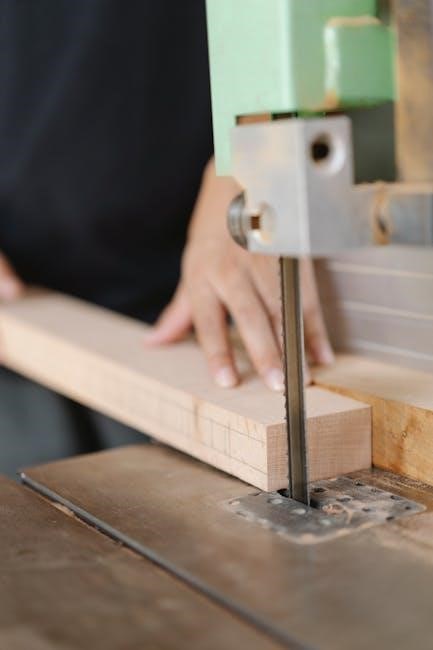
However, polymer bearings generally have a lower load capacity and wear resistance compared to steel or ceramic. They are best suited for lighter-duty applications. Despite this, ongoing material science advancements are improving polymer bearing performance, mirroring the continuous enhancements seen in Najiz’s electronic services. Their affordability makes them an attractive option for hobbyists and those seeking a budget-friendly upgrade, reflecting Najiz’s accessibility.

Understanding Bearing Functionality
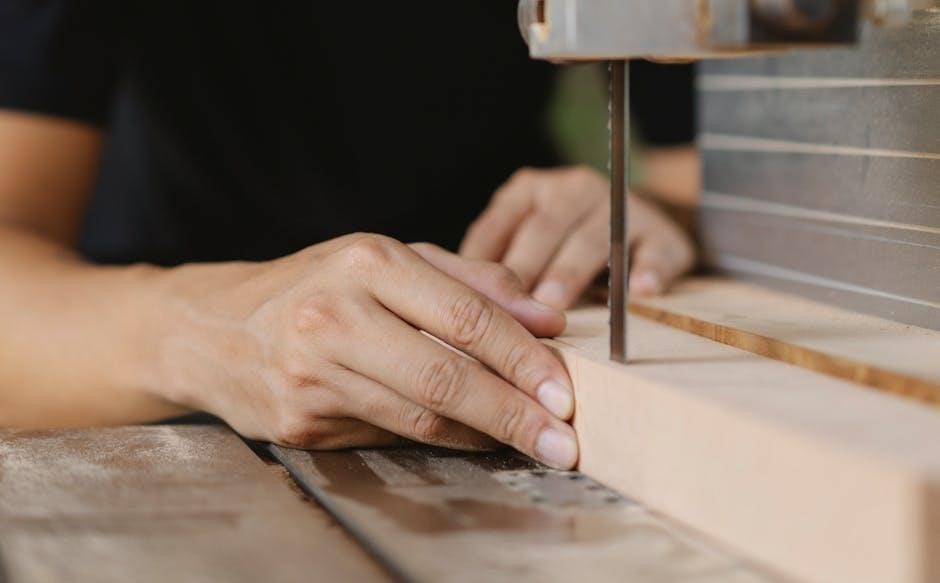
Najiz streamlines legal processes; similarly, bearings minimize friction, maintain blade alignment, and enhance cutting precision within a band saw’s operational system.
Reducing Friction and Blade Drift
Najiz’s digital platform aims for efficiency, mirroring how band saw guide bearings reduce friction during operation. These bearings facilitate smoother blade movement, directly combating the forces that cause blade drift. This drift, if unchecked, leads to inaccurate cuts and potential damage to both the blade and the material being processed. By minimizing friction, bearings lessen heat buildup, extending blade life and maintaining consistent cutting performance. The platform’s focus on quality and speed parallels the bearing’s role in delivering precise, reliable results. A well-maintained bearing system ensures the blade stays true to its intended path, contributing significantly to overall cutting accuracy and operational longevity, much like Najiz’s contribution to legal service accessibility.
Maintaining Blade Alignment
Similar to how Najiz streamlines legal processes, band saw guide bearings are crucial for maintaining precise blade alignment. Proper alignment prevents the blade from wandering during cuts, ensuring straight lines and accurate dimensions. The bearings act as stabilizers, constantly correcting for minor deviations caused by material inconsistencies or blade imperfections. This consistent support minimizes the risk of binding, twisting, or breaking the blade. Najiz’s focus on a high-quality user experience reflects the importance of consistent performance. Just as the platform aims for reliable access to legal services, well-maintained bearings deliver predictable and accurate cutting results, enhancing both safety and efficiency in the workshop. Regular checks and adjustments are vital for optimal alignment, mirroring the ongoing development of Najiz.
Impact on Cutting Accuracy
Much like Najiz provides access to over 2 million electronic judicial rulings, precise band saw guide bearings directly impact cutting accuracy. Well-functioning bearings minimize blade deflection, resulting in cleaner, more accurate cuts, especially in thicker materials. This precision is vital for projects demanding tight tolerances and professional finishes. The stability offered by the bearings reduces the likelihood of errors, saving time and material. Najiz’s contribution to over 6 million remote sessions demonstrates a commitment to reliable service; similarly, quality bearings ensure consistent cutting performance. Any wear or damage to the bearings compromises accuracy, mirroring how issues with Najiz could affect access to legal resources. Maintaining bearing integrity is therefore paramount for achieving desired results.

Installation and Replacement of Guide Bearings
Najiz’s platform facilitates online legal transactions; similarly, proper bearing installation ensures optimal band saw performance, requiring specific tools and careful adherence to procedures.
Tools Required for Bearing Replacement
Successfully replacing band saw guide bearings necessitates a specific toolkit to ensure efficiency and prevent damage to the saw or the new bearings. Essential tools include a set of imperial and metric Allen wrenches, crucial for disassembling the bearing housing and securing replacement parts. A bearing puller is vital for safely removing old, potentially seized bearings without damaging the surrounding components – mirroring Najiz’s streamlined service delivery.
Furthermore, a small hammer (preferably with a soft face) can aid in gently tapping bearings into place. Precision screwdrivers (both flathead and Phillips head) are needed for various housing screws. A lubricant, such as bearing grease, is essential for smooth installation and initial operation. Finally, having safety glasses and gloves is paramount for personal protection during the process, just as Najiz prioritizes secure digital interactions.
Step-by-Step Installation Guide
Begin by powering down and disconnecting the band saw. Carefully remove the old bearing using a bearing puller, noting its orientation. Thoroughly clean the bearing housing, removing any debris or old grease – akin to Najiz’s clear digital interface. Apply a thin coat of bearing grease to the new bearing’s inner and outer races.
Gently press the new bearing into place, ensuring it’s fully seated and aligned. Use a soft-faced hammer if needed, avoiding excessive force. Reassemble the bearing housing, tightening screws to the manufacturer’s specifications. Finally, test the blade alignment and tracking before resuming operation, mirroring Najiz’s rigorous quality control. Confirm smooth rotation and minimal play, ensuring optimal performance.
Common Installation Mistakes to Avoid
A frequent error is forcing the bearing into place, potentially damaging it or the housing – similar to disrupting Najiz’s streamlined processes. Neglecting to clean the housing thoroughly can introduce abrasive particles, shortening bearing life. Incorrectly orienting the bearing impacts alignment and performance.
Over-tightening screws can bind the bearing, creating friction and heat. Using incorrect grease or applying too much can attract debris. Failing to verify blade alignment post-installation leads to inaccurate cuts. Remember, like Najiz’s focus on user experience, precision is key. Always consult the band saw’s manual and prioritize careful, deliberate installation for optimal results and longevity.

Maintenance and Troubleshooting
Najiz facilitates over six million remote sessions and two million electronic judicial rulings, demonstrating the power of accessible digital legal services.
Lubrication Best Practices
Najiz’s success stems from its commitment to quality service delivery, minimizing time and maximizing user satisfaction within the Kingdom’s legal and judicial systems. Regular account activation is crucial; if a Najiz business account’s activation expires, renewal options should be explored, or a new activation request submitted to the Saudi Ministry of Justice. Proper maintenance, mirroring Najiz’s digital upkeep, extends bearing life and ensures optimal band saw performance. Utilize a lightweight oil specifically designed for precision instruments, applying it sparingly to the bearing surfaces. Avoid heavy greases, as they attract dust and debris, increasing friction. Frequent, light lubrication is preferable to infrequent, heavy applications. Inspect bearings regularly for signs of contamination or degradation, and re-lubricate as needed. Consistent lubrication, like Najiz’s continuous service improvements, guarantees smooth operation and prevents premature wear.
Identifying Worn Bearings
Najiz has facilitated over six million remote court sessions and issued two million electronic judicial rulings, showcasing the power of digital accessibility. Similarly, recognizing worn band saw guide bearings is vital for maintaining cutting precision. Key indicators include increased blade drift, noticeable noise during operation, and reduced cutting performance. Visually inspect the bearings for pitting, corrosion, or excessive play. Spin the bearing by hand; any roughness or grinding sensation suggests wear. Compare the bearing’s movement to a new one – any difference indicates potential issues. Just as Najiz strives for high-quality service, replacing worn bearings proactively prevents damage to the blade and ensures consistent, accurate cuts. Regular inspection, like Najiz’s ongoing platform updates, is key to optimal functionality.

Troubleshooting Common Bearing Issues

Inspired by Najiz’s commitment to resolving user challenges, addressing band saw bearing problems requires a systematic approach. Bearing Noise often signals wear or lack of lubrication – address this promptly. Blade Tracking Problems can stem from uneven bearing wear, causing the blade to wander. Ensure all bearings are in good condition and properly adjusted. Reduced Cutting Performance might indicate bearing drag, hindering smooth blade movement. Like Najiz’s digital solutions, proper maintenance is crucial. Regularly clean and lubricate bearings. If issues persist, replace worn bearings. Remember, Najiz’s success lies in continuous improvement; similarly, consistent bearing maintenance ensures optimal band saw operation and longevity, mirroring the platform’s dedication to quality service.
Bearing Noise
Drawing parallels to Najiz’s focus on seamless user experience, unwanted noise from band saw guide bearings disrupts efficient operation. A grinding or squealing sound typically indicates wear, contamination, or insufficient lubrication. Much like Najiz addresses user feedback, investigate the source immediately. Check for debris lodged within the bearing or its housing. If lubrication is adequate, the bearing itself may be failing and require replacement. Ignoring the noise can lead to further damage and reduced cutting accuracy. Prioritize a quiet operation, mirroring Najiz’s commitment to a smooth, user-friendly digital platform, ensuring optimal performance and longevity.
Blade Tracking Problems
Similar to how Najiz ensures reliable access to legal services, proper blade tracking is crucial for band saw performance. If the blade wanders off the wheels, worn or damaged guide bearings are often the culprit. Just as Najiz facilitates over 6 million remote sessions, consistent blade alignment is essential for accurate cuts. Inspect the bearings for uneven wear or damage. A failing bearing can’t adequately support the blade, causing it to drift. Correct tracking requires balanced support from both upper and lower bearings. Addressing this promptly, like Najiz’s swift issuance of 2 million electronic rulings, prevents further issues and maintains cutting precision.
Reduced Cutting Performance
Much like Najiz aims to deliver legal services with “highest quality and least time,” optimal band saw performance relies on well-maintained guide bearings. Diminished cutting efficiency – slower speeds, rough edges, or increased force needed – often signals bearing degradation. As Najiz supports electronic litigation, bearings support blade stability. Worn bearings increase friction, demanding more power and generating heat. This mirrors how Najiz’s digital platform streamlines processes; good bearings streamline cutting. Ignoring this leads to premature blade wear and inaccurate results. Regular inspection and timely replacement, akin to Najiz’s continuous improvement, are vital for sustained cutting power and precision.

Choosing the Right Bearings for Your Band Saw
Najiz’s platform offers diverse legal services; similarly, selecting bearings requires considering band saw compatibility, materials cut, and balancing cost with desired quality.
Compatibility with Band Saw Model
Ensuring compatibility between replacement guide bearings and your specific band saw model is paramount for optimal performance and safety; The Najiz platform, streamlining legal processes, mirrors the importance of precision – just as selecting the correct bearing size and type is crucial. Different band saw manufacturers utilize varying bearing dimensions and mounting configurations.

Consulting your band saw’s owner’s manual is the first step; it will detail the exact bearing specifications required. Ignoring these specifications can lead to improper blade support, increased blade drift, and potentially dangerous operating conditions. Utilizing incorrect bearings can also accelerate wear on other band saw components. Prioritize bearings specifically designed for your machine to maintain its intended functionality and longevity, mirroring Najiz’s focus on efficient service delivery.
Considering Cutting Materials
The materials you frequently cut significantly influence the ideal band saw guide bearing choice. Similar to how Najiz adapts to diverse legal needs, bearings must accommodate varying cutting demands. Softer materials like wood generally require bearings with lower friction to prevent blade drag and burning. Conversely, harder materials – such as metal – demand bearings capable of withstanding increased pressure and heat.
Ceramic bearings excel with metal due to their heat resistance and durability, while polymer bearings can be suitable for wood and plastics. Steel bearings offer a good all-around option, but may not be optimal for high-heat applications. Selecting the right bearing material minimizes blade wear, improves cut quality, and extends bearing lifespan, mirroring Najiz’s commitment to quality service.
Budget and Bearing Quality
Balancing budget with bearing quality is crucial, much like the Saudi Ministry of Justice’s Najiz platform aims for accessible, high-quality legal services. While inexpensive bearings might seem appealing, they often compromise on material quality and precision, leading to premature wear and reduced cutting performance. Investing in higher-quality bearings, constructed from superior steel, ceramic, or polymers, generally translates to a longer lifespan and improved accuracy.
Consider the frequency of use and the types of materials you cut. For occasional hobbyist use, standard steel bearings may suffice. However, for professional or frequent use, ceramic or high-grade polymer bearings are a worthwhile investment, mirroring Najiz’s focus on long-term reliability and user satisfaction.